The Belgian part of the North Sea is about the size of an average Belgian province and is one of the world’s busiest marine areas. Close monitoring of activity at sea and the condition of the marine environment is therefore important.
Belgium’s Federal Public Service for Health, Food Chain Safety and Environment commissioned a concept study on a modular, multifunctional offshore platform. SWECO and IME carried out the study.
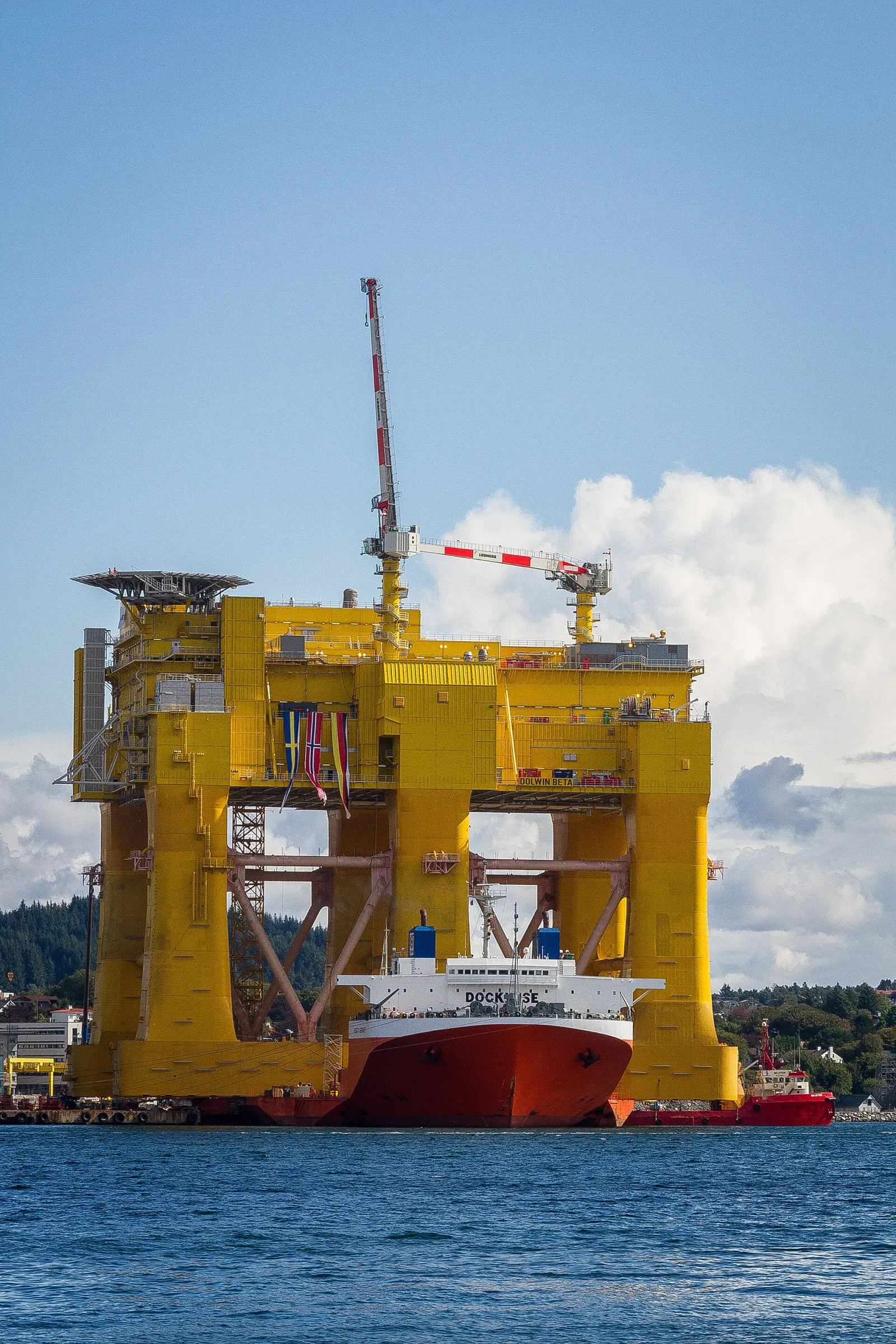
The study considered building a new or floating platform, as well as using existing infrastructure. It explored combining continuous marine monitoring, data collection and transmission, energy supply, support for scientific research and oversight of activity at sea on a single platform. Innovative applications such as drones were also included.
The work combined technical analyses with consultations with stakeholders. In preparation, the Institute of Natural Sciences assessed how innovative approaches could support EU obligations for marine monitoring.
The resulting concept could help strengthen monitoring and enforcement in the Belgian North Sea. A platform could potentially replace the Westhinder measuring pole and support the multi-use of existing fixed platforms, test platforms and offshore wind farms.
There are currently no concrete plans to build an offshore platform. If a decision is made to develop the concept further, a new market consultation will be launched at European level, after which the concept can be updated to reflect the technologies and needs available at that time.
The study was funded by the European Union under Belgium’s Recovery and Resilience Plan. It also aligns with OceanEye, a European initiative seeking to improve ocean observation by integrating infrastructure, sensors, digital systems and data sources.