Argentina’s breast cancer mortality rate fell 14% between 2014 and 2024, from 17.76 to 15.36 deaths per 100,000 women. Despite the sustained decline, the disease remains one of the leading causes of cancer death among women.
The Global Cancer Observatory estimated 20,750 new breast cancer cases in Argentina in 2024, accounting for 29.9% of all malignant tumours diagnosed in women. The country recorded 5,912 deaths from the disease that year; 83% of those who died were aged 50 or older.
Breast cancer has a high chance of being cured when detected at an early stage and treated promptly. Argentina’s Ministry of Health recommends regular gynaecological check-ups and seeking medical advice if lumps, skin or nipple changes, nipple discharge or bleeding appear. Breast self-examination may help identify changes, but it does not replace mammography or serve as an early detection method.
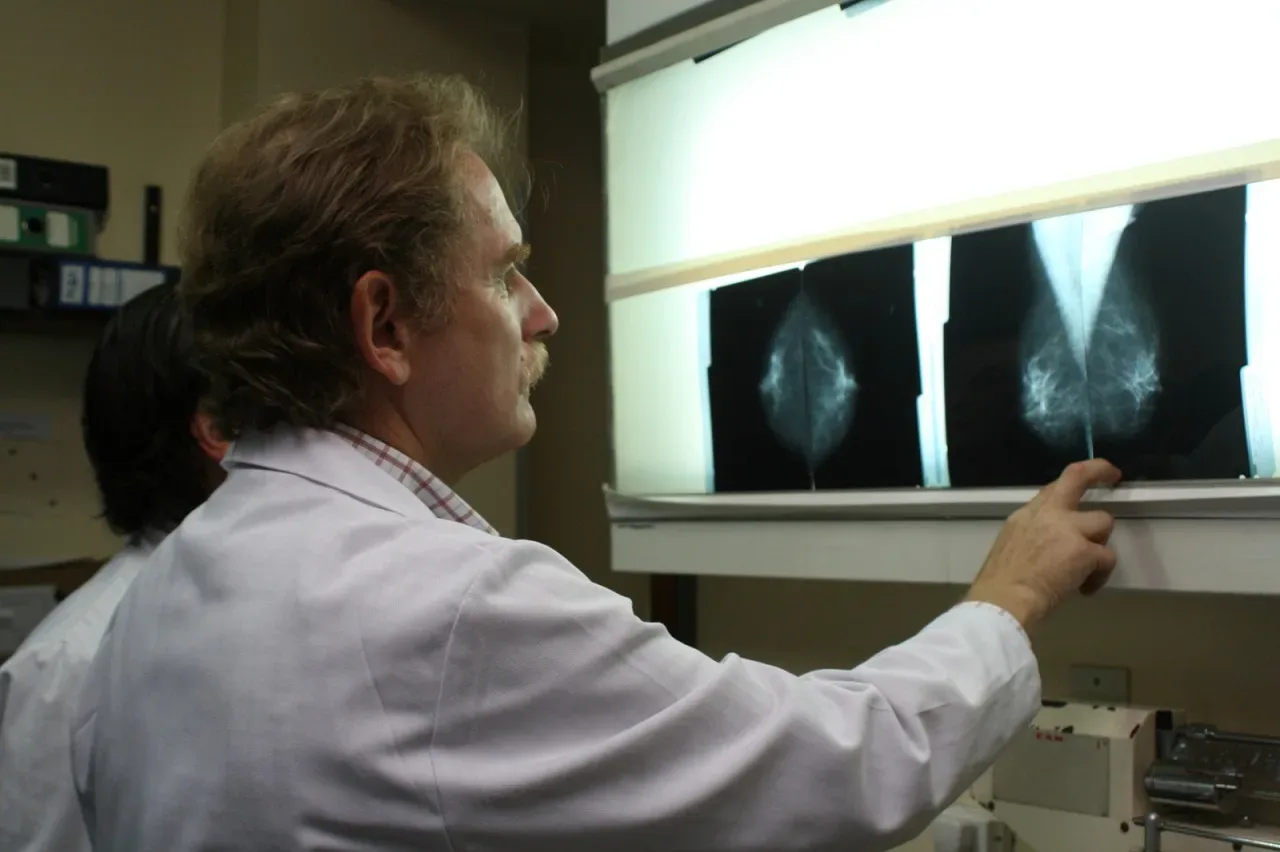
Mammograms can identify lesions before they can be felt. Women aged 50 to 69 with no personal or family history of the disease should have a mammogram every one or two years. Women under 50 or over 69, as well as those with risk factors, should consult a health professional about whether and how often to be screened.
The Ministry of Health promotes regular check-ups and provides information for patients and their families. Its guide, “Breast Cancer: From Diagnosis,” covers diagnosis, treatment and follow-up. During October, public hospitals are showing an informational video in waiting rooms, while Mi Argentina is sending users prevention messages tailored to their profiles.
This year, cancer was added to the list of conditions subject to mandatory reporting. The measure aims to improve information on incidence and mortality and strengthen planning for cancer care. The SITAM information system tracks prevention, screening, diagnosis and treatment; it has more than 4,400 active reporting centres. More than 134,000 mammograms have been reported through the system so far this year.
The ministry also supports training for health workers and efforts to improve diagnostic quality. Imaging services that provide mammograms, ultrasounds and magnetic resonance imaging are assessed against quality and safety standards, including equipment, staff qualifications and patient safety. More than 50 quality labels have been awarded to 21 institutions in 10 provinces, including 13 this year.