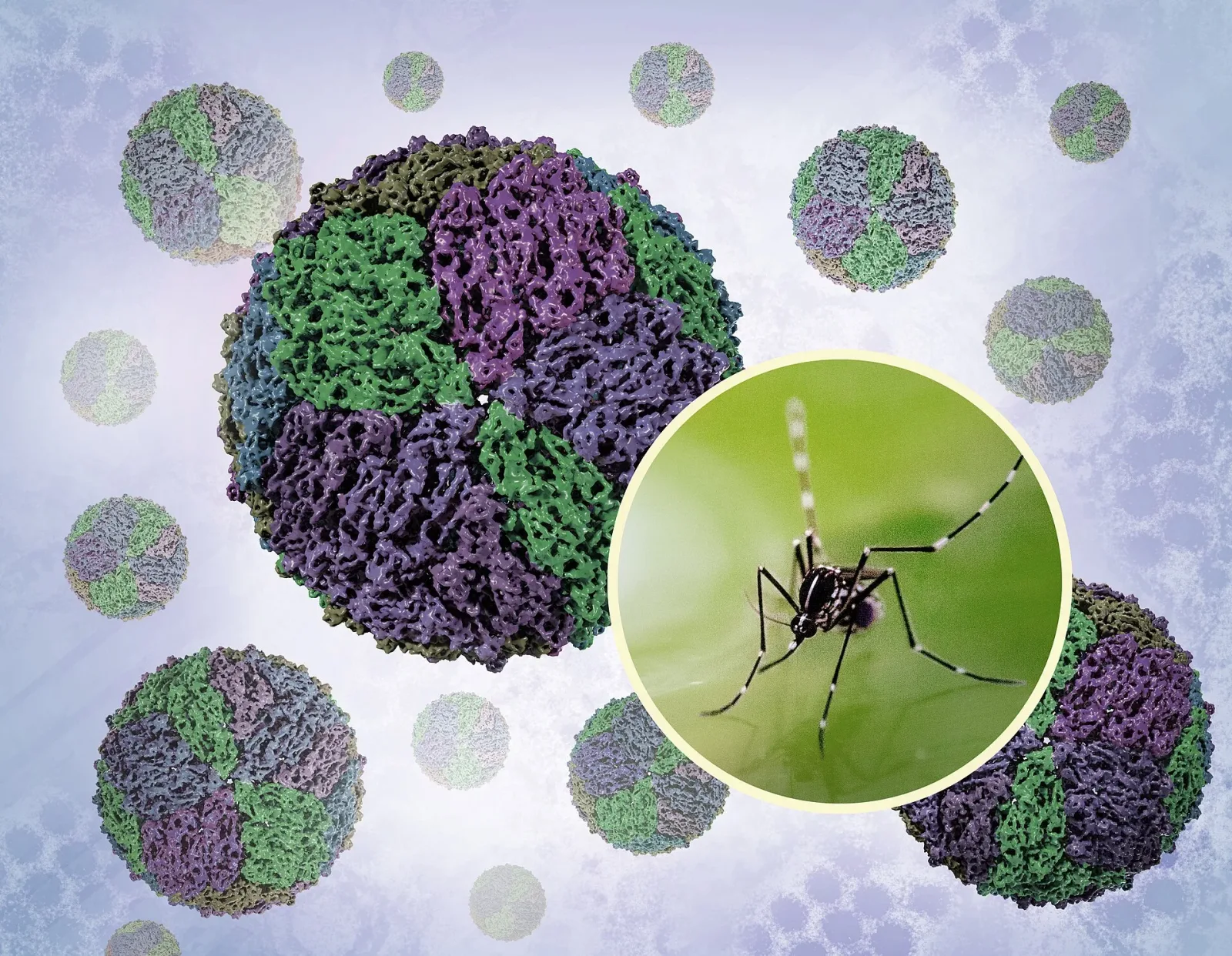
Vietnam recorded more than 170,000 dengue cases and 21 deaths in the first 10 months of 2026, according to the Ministry of Health. About 106,000 cases were reported over the same period in 2025.
Ho Chi Minh City recorded 1,959 cases in the week from October 26 to November 1, 16.2% above the average for the previous four weeks. From the start of the year through the end of week 44, the city reported 44,549 cases.
A 17-day-old infant recently received treatment at Ho Chi Minh City Children's Hospital for severe dengue shock. The baby's mother had also contracted the disease. The infant developed severe liver damage and a blood-clotting disorder; the condition began to improve after 72 hours of intensive treatment.
Doctors say dengue's dangerous phase typically occurs between the third and seventh day of illness, especially on days four and five, when the fever starts to fall or disappears. Plasma leakage during this phase can lead to shock and damage to multiple organs. A falling fever does not mean the patient has recovered.
Doctors advise monitoring children closely from the first days of illness and attending follow-up appointments as directed. Severe abdominal pain, persistent vomiting, extreme lethargy, cold hands or feet, breathing difficulties, unusual bleeding or reduced urination require immediate medical attention.
Doctors recommend drinking enough fluids and using oral rehydration solution as advised by a health worker. Patients should not arrange IV fluids at home. Ibuprofen, aspirin and other anti-inflammatory painkillers may increase the risk of bleeding. Prevention includes eliminating mosquitoes and their larvae, removing containers of standing water and avoiding mosquito bites.
The Dengue Summit 2026, held on November 5–6, brought together more than 700 participants from Vietnam and abroad.