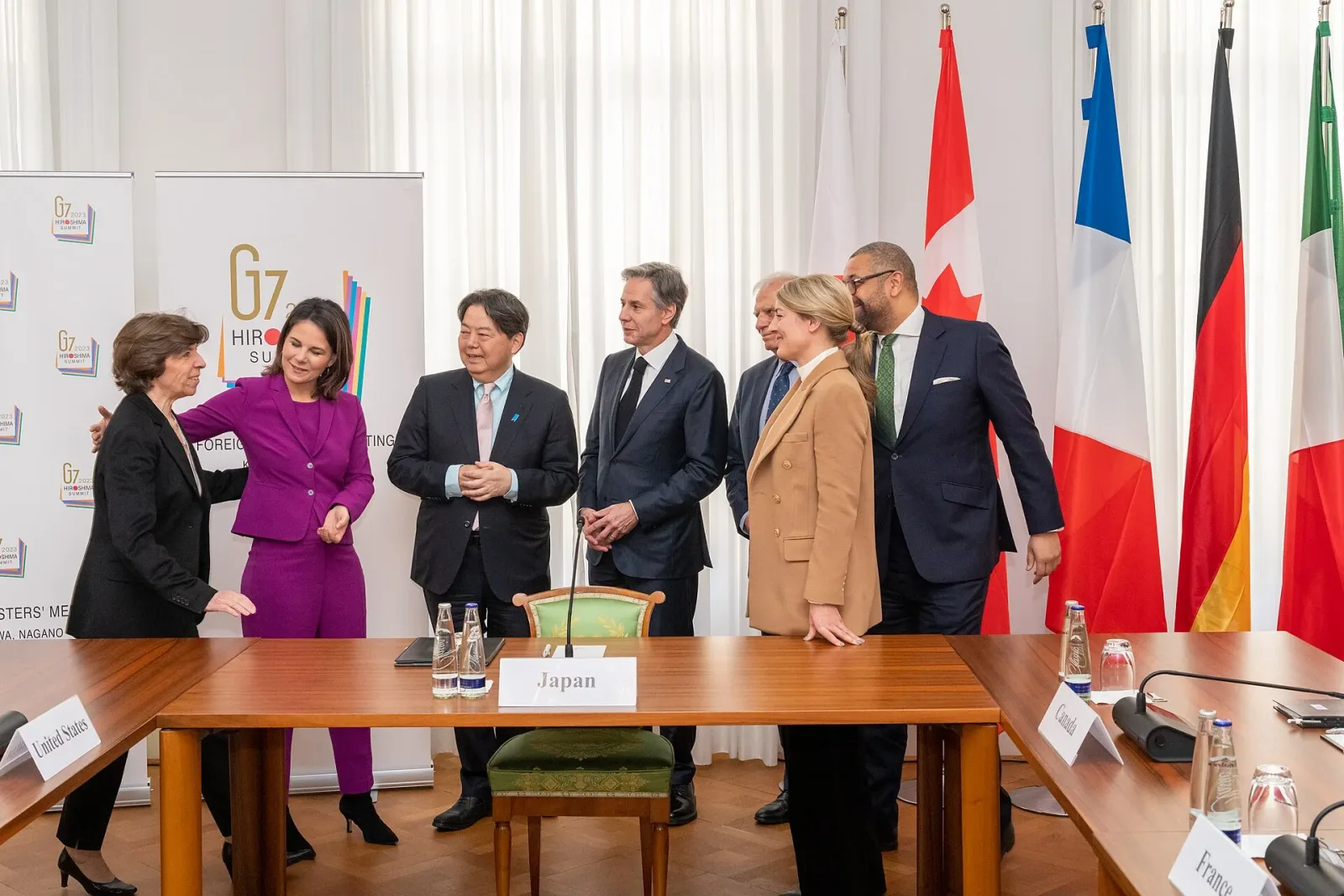
German Foreign Minister Johann Wadephul is travelling to Canada for a bilateral visit marking 75 years of diplomatic relations. He will be accompanied by a business delegation representing sectors including space, electric mobility, critical raw materials, renewable energy and hydrogen.
Germany and Canada are close partners in NATO and the G7. Canada contributes to European security, with more than 2,000 Canadian troops stationed in Latvia as part of NATO’s enhanced presence. Canada also supports Ukraine and takes part in training Ukrainian forces.
The two countries want to deepen cooperation on security and defence, including closer ties between their defence industries. They plan to sign a German-Canadian agreement on the protection of classified information during the visit. It will provide a basis for securely sharing sensitive information on joint projects.
Canada’s planned procurement of new submarines from Germany could also lead to long-term industrial and security cooperation. Identical submarine systems would make joint NATO exercises easier, create jobs on both sides of the Atlantic and contribute to the alliance’s deterrence and defence capabilities.
Expanding economic ties is another focus of the visit. Trade has risen significantly since the provisional application of the CETA free trade agreement between Canada and the European Union began in 2017. The two sides now want to further reduce trade barriers and align standards more closely.
Closer cooperation on critical raw materials could help diversify supply chains, reduce dependencies and secure materials needed for batteries, digitalisation and the energy transition. There are also opportunities in space, electricity grids and electric mobility. The business delegation is expected to build new links between companies and investors.
Germany and Canada intend to give their cooperation a long-term framework through a planned Strategic Partnership Agreement, approved by the two countries’ heads of government in July 2026.