Agricultural producers in Kazakhstan can use Agrarian Credit Corporation programs to finance seasonal work, working capital, long-term investment and breeding livestock purchases. Borrowers should consider not only the interest rate, but also the purpose of the funds, loan term and repayment schedule.
Ken Dala 2 finances spring fieldwork and harvesting. The funds can be used for seeds, fuel and lubricants, fertilisers and plant protection products. The annual rate is 5%; a tranche can run for up to 18 months and a credit line for up to 36 months. Crop farms repay the principal in two instalments, by December 5 and March 5 of the following year. Applicants need at least three years of agricultural experience; those with less experience need a recommendation from the regional akimat.
The Agribusiness program provides working capital to food producers, agricultural processors and livestock complexes. The annual rate is 5%, with tranches of up to 12 months and credit lines of up to 36 months. For cattle fattening, at least 70% of the loan must be used to purchase animals.
Agribusiness 2.0 supports long-term projects in livestock and crop farming, irrigation, greenhouse production, storage and agricultural processing. Direct borrowers pay an annual rate of 12.6%, and the maximum loan is 15 billion tenge. Investment loans can run for up to 15 years, while working-capital loans can run for up to four years. Borrowers must contribute their own funds and demonstrate the project’s economic viability.
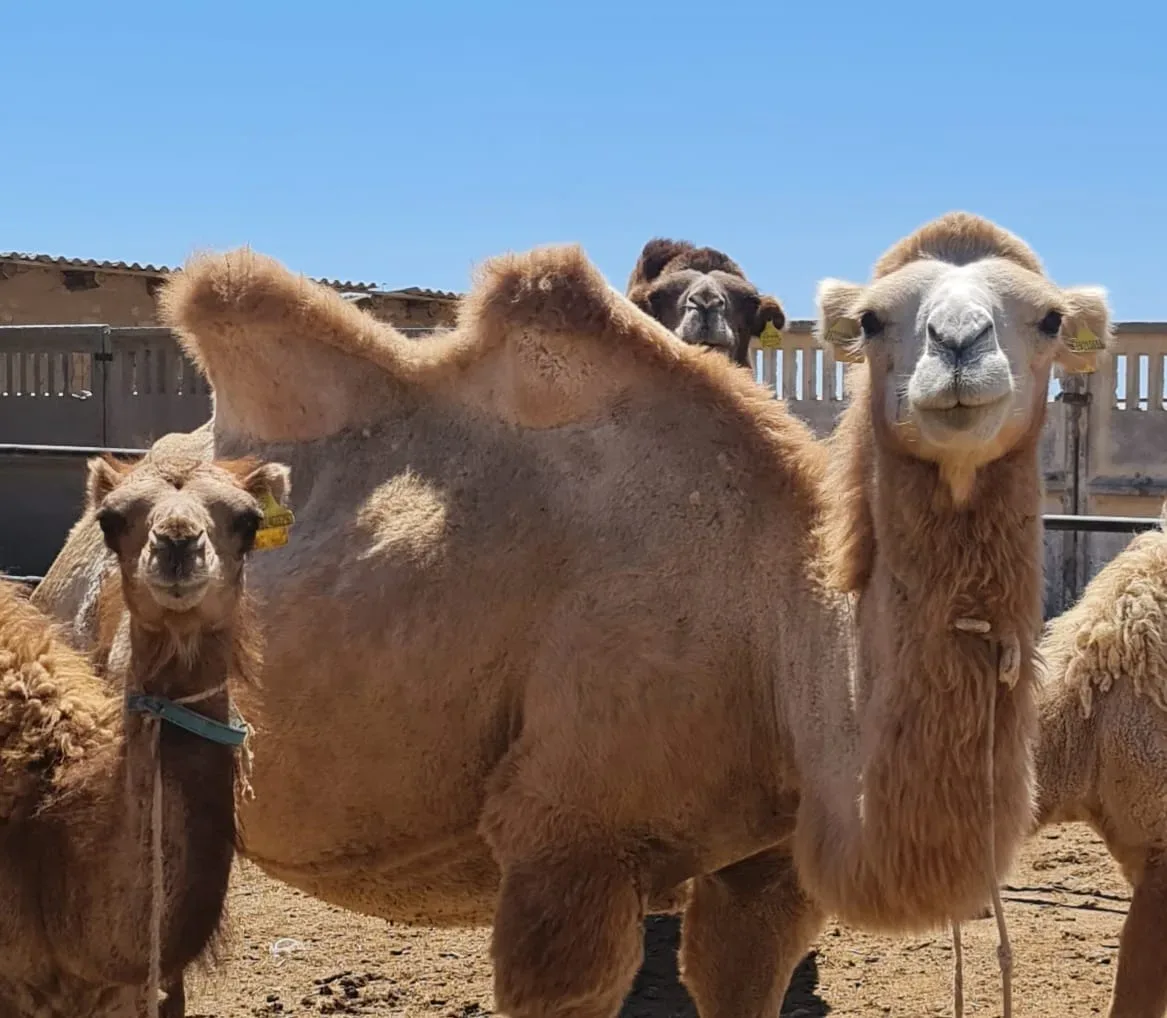
The Igilik and Bereke programs finance the purchase of breeding livestock. Both offer a 6% annual rate, a maximum loan of 5 billion tenge and a term of up to seven years. Igilik is for farms with 100–499 head of cattle or 500–999 head of small livestock. Bereke requires at least 500 head of cattle or 1,000 head of small livestock, as well as at least two years of agricultural experience. The programs do not finance purchases of commercial livestock.
Before applying, farms should identify what the money is for, when revenue is expected and how the loan will be repaid. Collateral, work experience, the borrower’s own funds, crop acreage, sales markets and required documents also matter. Current terms and requirements are available on the Agrarian Credit Corporation website.