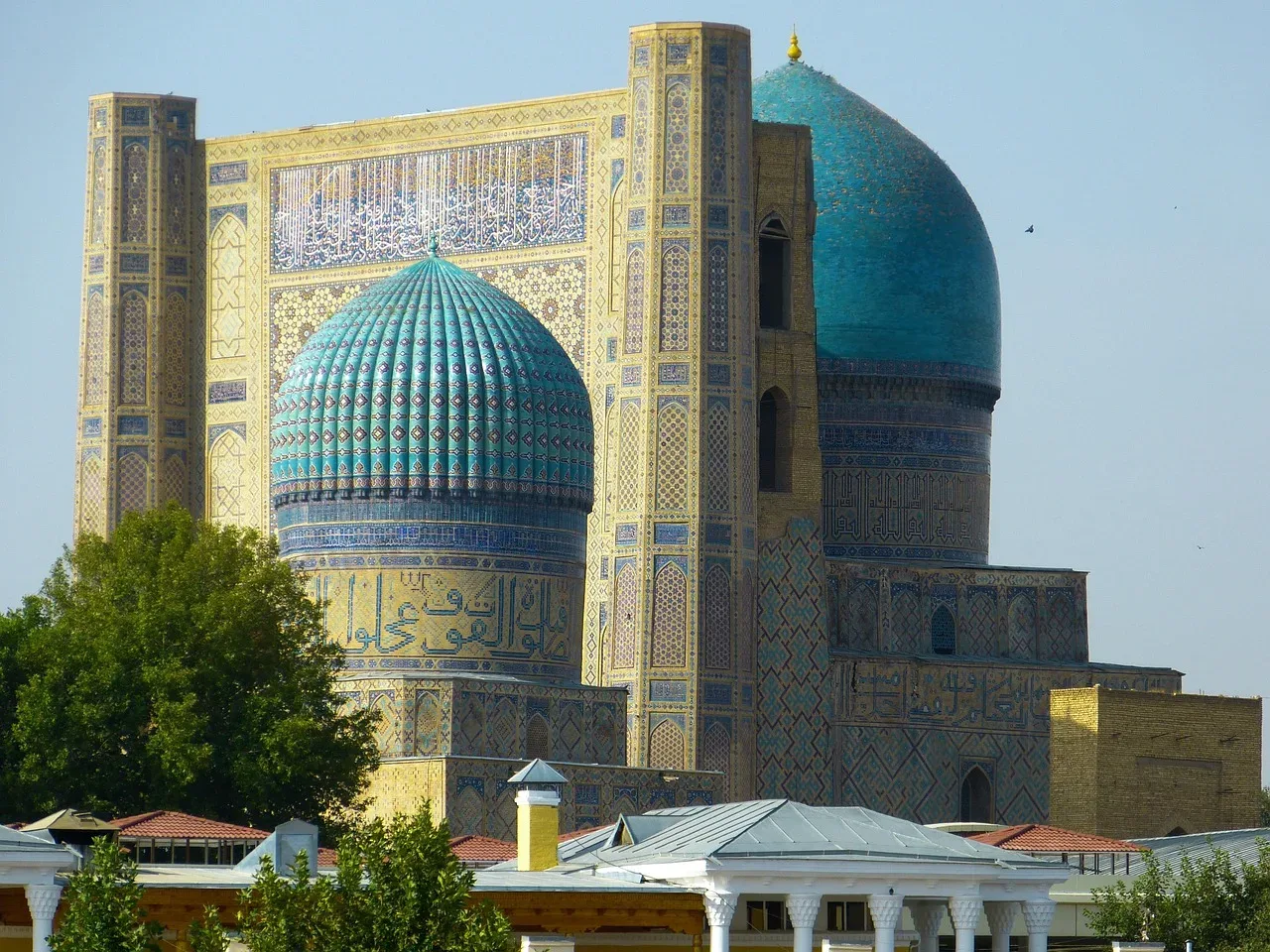
A seven-member delegation of the OSCE Parliamentary Assembly (OSCE PA) visited Tashkent and Samarkand from October 21 to 23, 2026. It was led by Farah Karimi, a member of the Dutch Senate and chair of the ad hoc committee on migration. Mpanzu Bamenga, a member of the Dutch House of Representatives, also took part.
The OSCE PA migration committee made its first visit to Central Asia to learn about Uzbekistan’s initiatives to promote regular labour migration to the European Union and other countries through bilateral agreements. Discussions also covered efforts to tackle irregular migration and human trafficking, the gender dimension of migration, and the situation of migrants’ children.
Uzbek officials outlined the country’s integrated labour mobility system, which includes pre-departure preparation, support for Uzbeks abroad, and assistance with return and reintegration. They said bilateral agreements should address both the labour needs of destination countries and the development goals of countries of origin.
Karimi said the delegation’s representatives from destination countries, including Türkiye, Germany, Austria and the Netherlands, had a valuable opportunity to learn about Uzbekistan’s policies and practices on legal migration. In response to Bamenga’s question about brain drain, Uzbek authorities said they viewed temporary work abroad as a way for citizens to gain experience and knowledge.
Bamenga said young people at government-established training centres learn German, Japanese or Korean over about nine months before going to those countries for five-year jobs as nurses, drivers or auto mechanics, in sectors facing staff shortages. The delegation was told that an agreement had recently been reached with Dutch company MMBS Groep to place around 80 Uzbek workers in the construction sector.
In Tashkent, the delegation held talks with the speakers of the Legislative Chamber and Senate, as well as representatives of the Migration Agency, Ministry of Internal Affairs and other institutions. In both Tashkent and Samarkand, it visited vocational training centres for prospective migrant workers and met students. The visit followed committee missions over the past two years to Brussels, the Canary Islands, Morocco, Türkiye and Italy, including Lampedusa.