





Skip to content
Advertisement
www.nomascom.kz upper
Tribuna.kz

Science & Tech

Study identifies mechanism regulating carbon allocation and soybean seed size

Researchers found that the GmCWINV4 gene affects seed size and weight as well as oil and sugar accumulation.

Researchers at the Chinese Academy of Sciences’ Kunming Institute of Botany have identified a molecular mechanism controlling carbon allocation in soybean seeds. The findings may inform efforts to breed high-yield, high-quality soybeans.

Author: Робот Source: Chinese Academy of Sciences

Scientific diagram of the genes regulating carbon allocation and size in soybean seeds
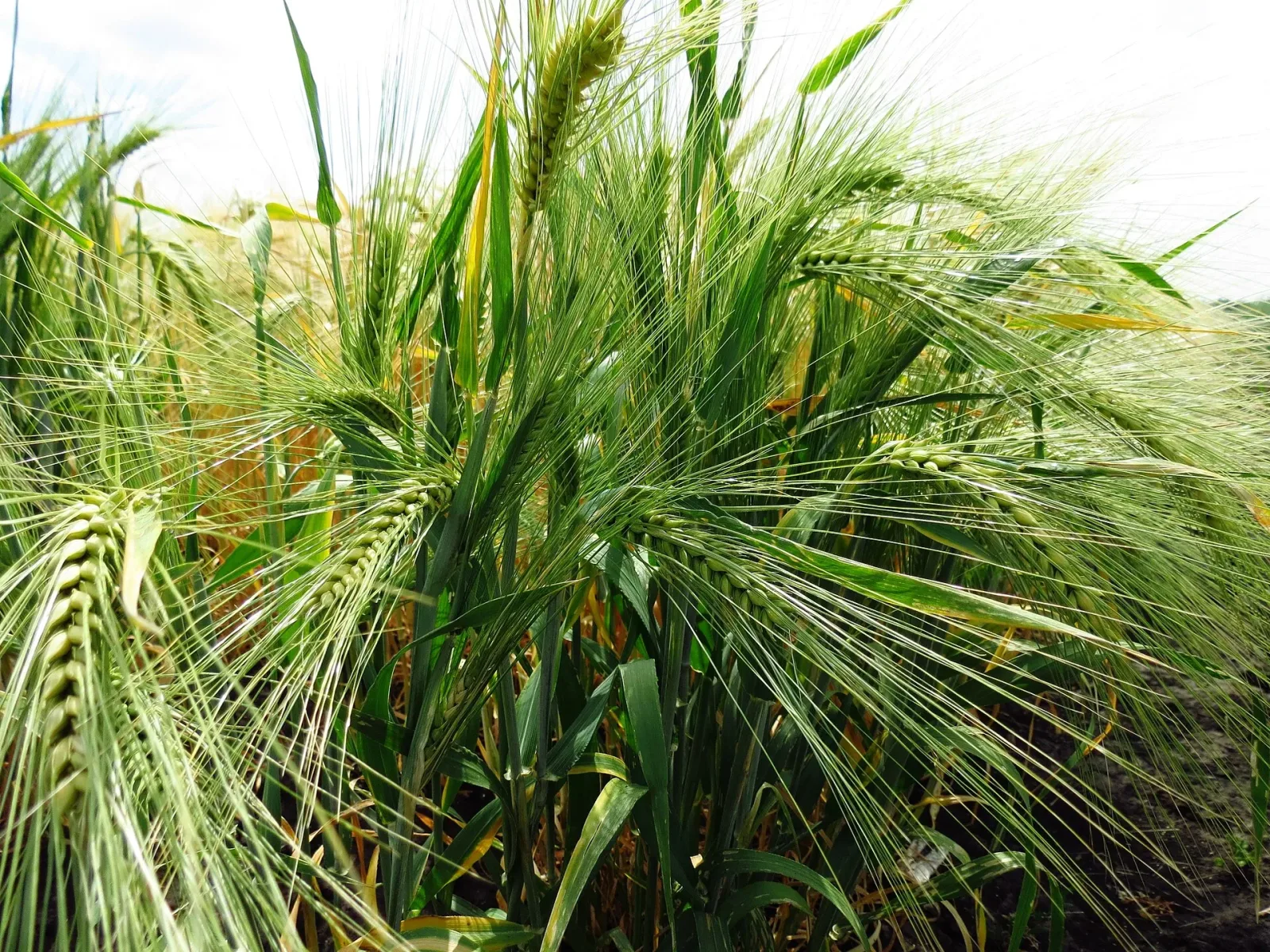
The study examines genes that regulate carbon allocation and soybean seed size. Illustrative photo. Photo: Інститут рослинництва ім. В. Я. Юр’єва / Wikimedia Commons, CC BY-SA 4.0

A team at the Kunming Institute of Botany, Chinese Academy of Sciences, used high-resolution spatiotemporal transcriptomics to study soybean seeds at different stages of development. They identified 17 cell types and 249 marker genes.

The researchers pinpointed the C0 and C8 cell clusters in the seed coat phloem as key sites for sucrose transport and metabolism. Genes involved in sugar metabolism and transport showed preferences for particular cell types, with their expression patterns changing as the seeds developed.

The study established the biological function of GmCWINV4, a gene specifically expressed in the seed phloem. Its protein is located in the cell wall and can break down sucrose.


Advertisement
www.toishy.com

Overexpressing GmCWINV4 in soybean significantly increased seed volume and 100-seed weight, while raising oil and sugar accumulation. Haplotype analysis showed that the gene underwent notable selection during domestication and that its expression level is significantly higher in cultivated soybeans.

The team also identified the transcription factors GmZF-HD27 and GmZF-HD36. Both can bind directly to the GmCWINV4 promoter and activate its transcription, while sucrose can act as an upstream signal to induce GmZF-HD36 expression.

The findings were published in Plant Biotechnology Journal. The research received support from the Yunnan Provincial Basic Research Program, among other sources.

Translated from Chinese using artificial intelligence. Source: Chinese Academy of Sciences

Countries:

Read also

Advertisement
Nomascom banner footer