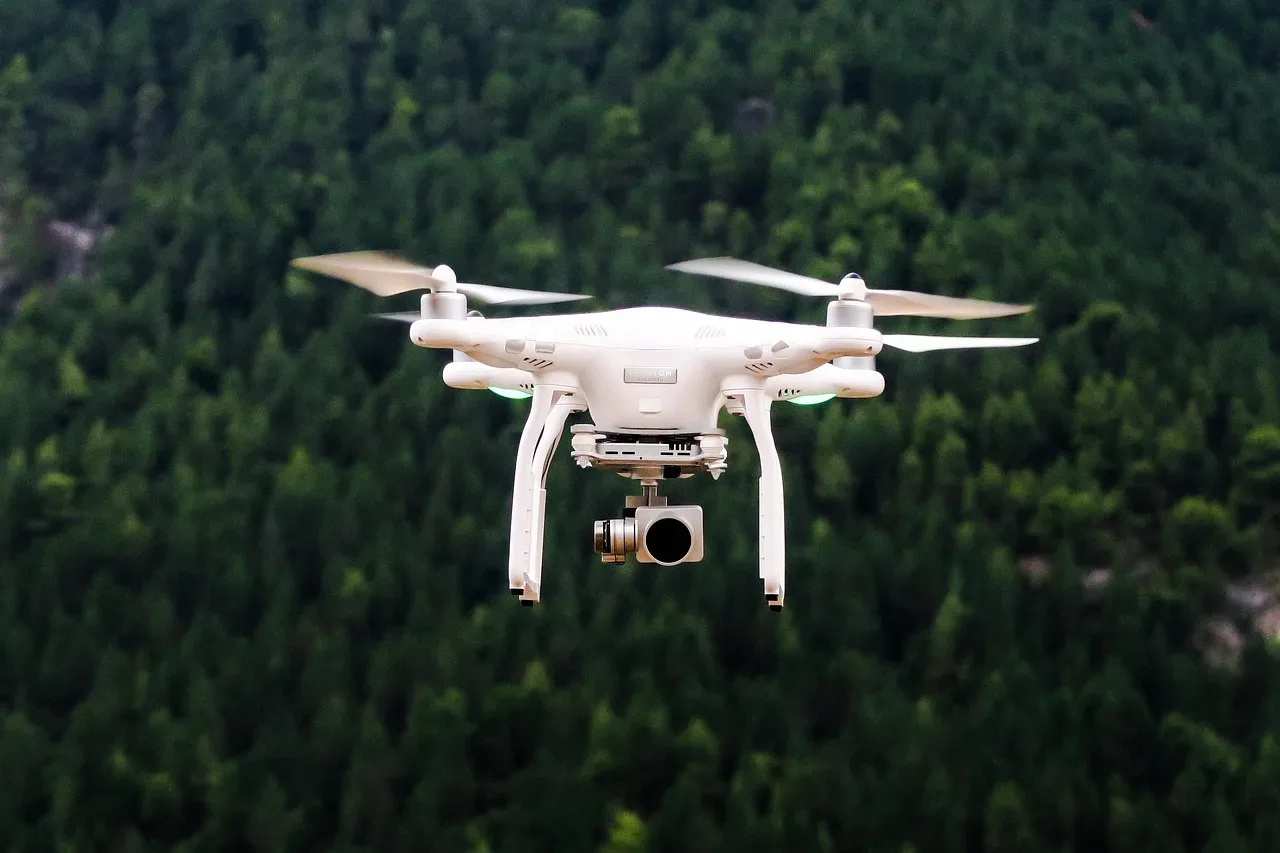
China is taking part in low-altitude economy standardization work at the International Organization for Standardization (ISO) and the International Electrotechnical Commission (IEC). A standard it co-led, titled “Unmanned aircraft sensing and obstacle avoidance systems,” fills a gap in international standards for the field.
A separate Chinese proposal on identification security for unmanned aircraft systems has been approved as a new international standard project. It sets out test methods for unmanned aircraft system licences and drone/UAS security modules.
The low-altitude economy is an important growth area for strategic emerging industries. Drones are expanding beyond consumer and recreational uses into applications such as logistics and urban management. International standards can align technical requirements and help coordinate rules.
The obstacle-avoidance standard is designed for complex urban settings. It specifies the general functions, system architecture, performance and safety requirements of systems that detect and avoid aircraft or other objects. It also sets technical parameters, including detection range and safe separation, and details obstacle detection and emergency avoidance during landing.
The standard provides a common technical framework for safe drone operations among high-rise buildings, in crowded areas and in complex electromagnetic environments. China’s State Administration for Market Regulation says it may also help reduce barriers to cross-border use and market access.
The proposed test methods focus on unmanned aircraft identification and safety oversight. A unified benchmark for testing security modules is intended to support the identification, traceability and oversight of drones.
The State Administration for Market Regulation and other Chinese agencies plan to continue turning advanced domestic technologies and practical experience in priority fields, including drones, into international standards.