





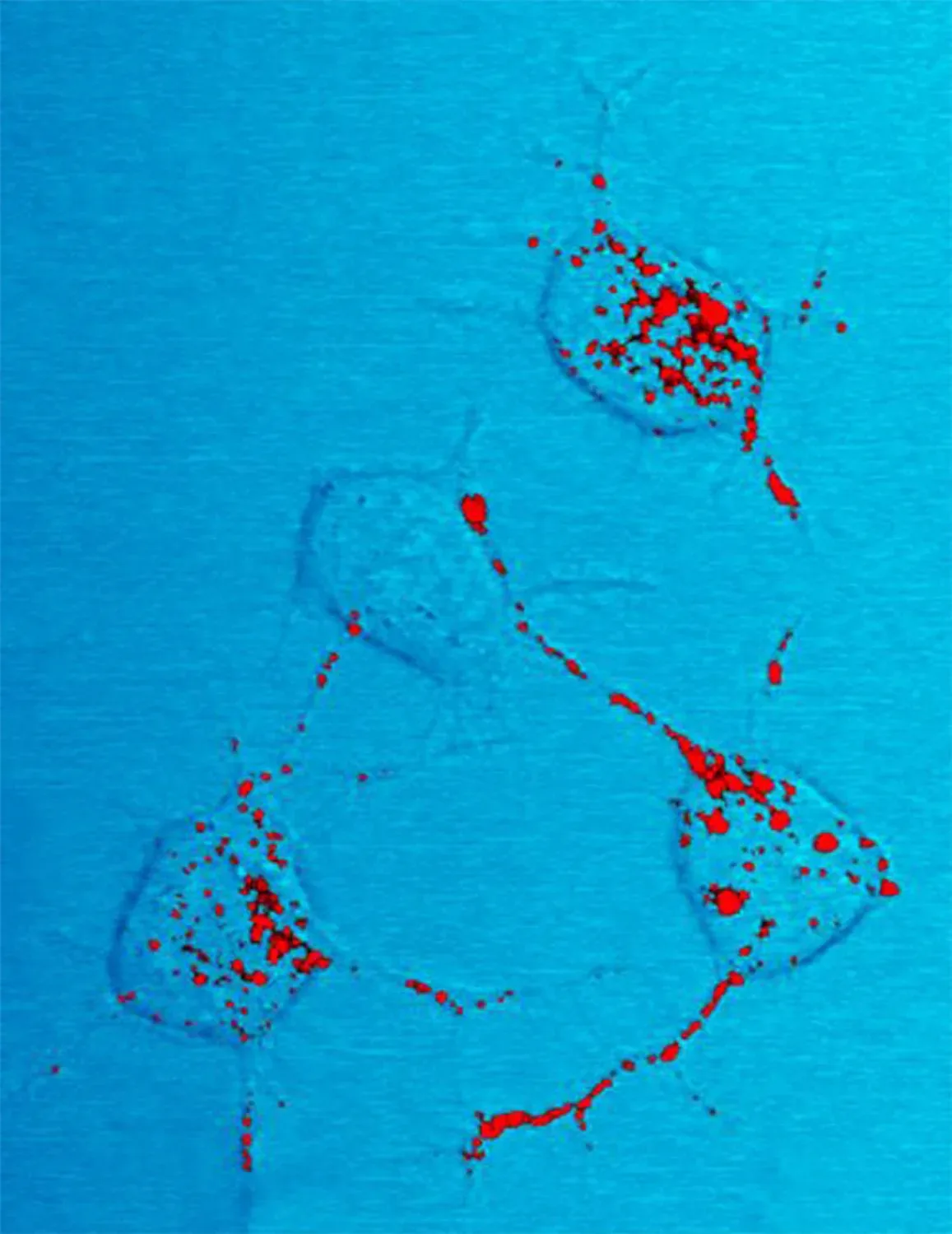
Researchers at the Shenzhen Institutes of Advanced Technology of the Chinese Academy of Sciences have developed a way to induce and reprogram memory-like NK cells inside the body. The findings came from experiments in mice.
The team administered biodegradable amorphous silica nanoparticles by inhalation and observed a marked effect in suppressing melanoma growth. It identified a key immune response pathway in which alveolar macrophages produce the cytokines IL-12/15/18, which then act on NK cells.
The researchers also examined how the structure of different nanomaterials relates to their activity. Polystyrene and alumina nanoparticles did not activate the pathway, indicating that alveolar macrophages selectively recognize materials based on their chemical composition.