Kazakhstan has formed a portfolio of 67 projects to develop municipal solid waste infrastructure, with a total value of about 350 billion tenge, representatives of the Ministry of Ecology and Natural Resources of the Republic of Kazakhstan said.
The Zhasyl Damu joint-stock company has financed 34 projects worth 122.6 billion tenge. Another seven projects worth 29.9 billion tenge have been approved by the Industrial Development Fund, with contracts pending. Eleven projects worth 31.5 billion tenge are under review, while investors are preparing documents for the remaining 15.
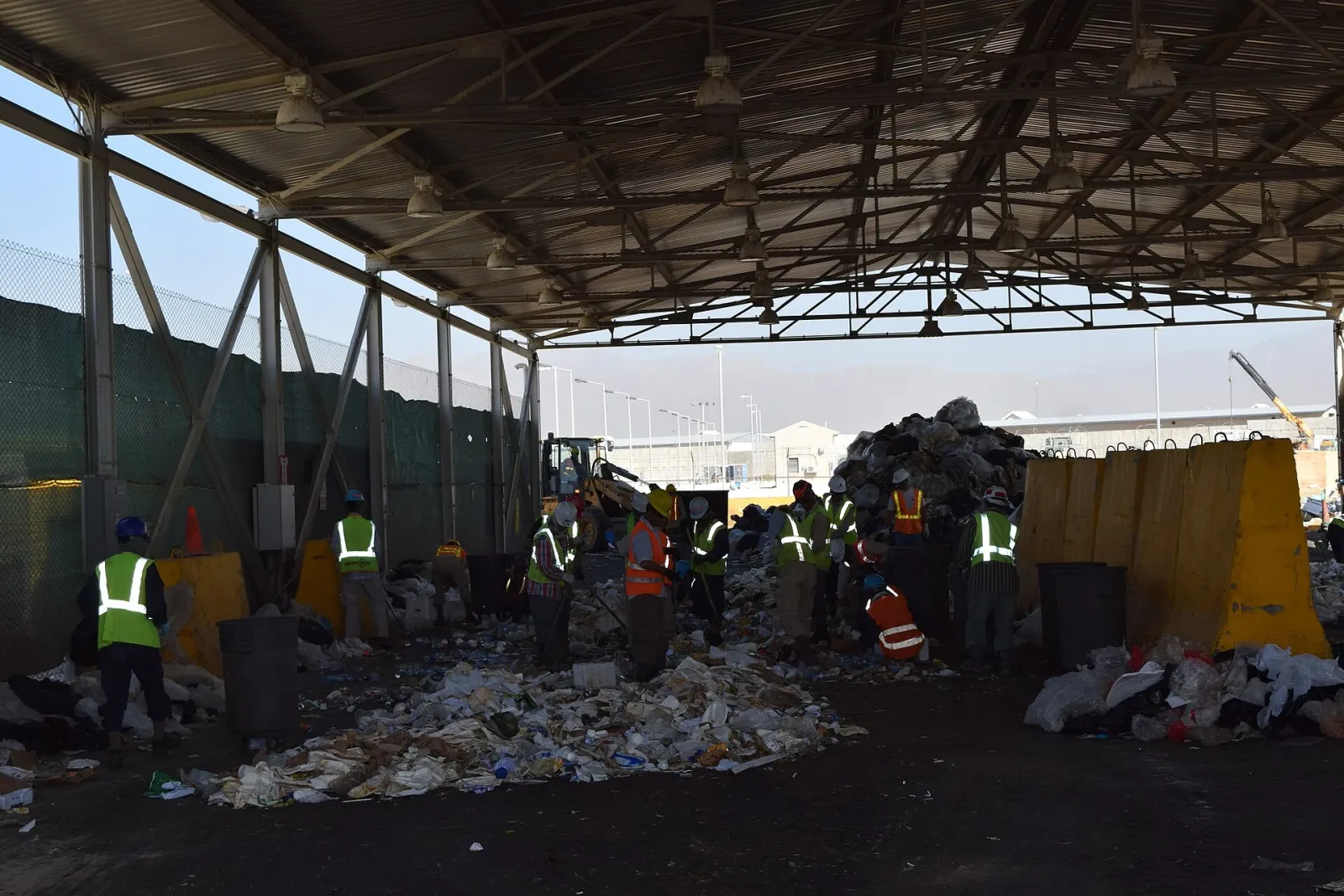
Forty-one projects involve building or upgrading recycling capacity, 15 focus on waste-sorting infrastructure, and 11 provide for purchasing specialized collection and transport vehicles. Fifteen funded projects are operational: nine involve equipment purchases, three are sorting facilities and three are recycling projects.
The completed projects have brought 131 specialized vehicles into service and opened sorting facilities with annual capacity of 290,000 tonnes. Facilities processing tires and waste paper have a combined capacity of 19,300 tonnes a year. The projects have created 523 jobs.
The current funding pool totals 185 billion tenge. Loans through the Industrial Development Fund are offered at an annual interest rate of 3% for terms of three to 15 years. The plan is to increase total funding to 385 billion tenge and extend the program through 2030.
If the full project portfolio is implemented, it will provide for the purchase of 178 specialized vehicles, add 2.3 million tonnes a year of sorting capacity and 1.1 million tonnes a year of recycling capacity, and create more than 5,000 jobs in the regions. A revolving funding mechanism, under which repaid funds support new projects, is planned from 2031.
In 2025, three investment agreements were signed with Chinese companies to build waste-to-energy plants in Astana, Almaty and Shymkent. The total investment is 293 billion tenge. The facilities are scheduled to start operating in 2028 and are expected to reduce landfill disposal while generating electricity and heat.
Kazakhstan has also approved a 2026–2030 concept for managing all types of waste. It provides for a unified digital platform, separate rules for each waste stream and a full inventory of waste. A National Waste Management Centre has been established under the ministry at Zhasyl Damu to coordinate implementation.