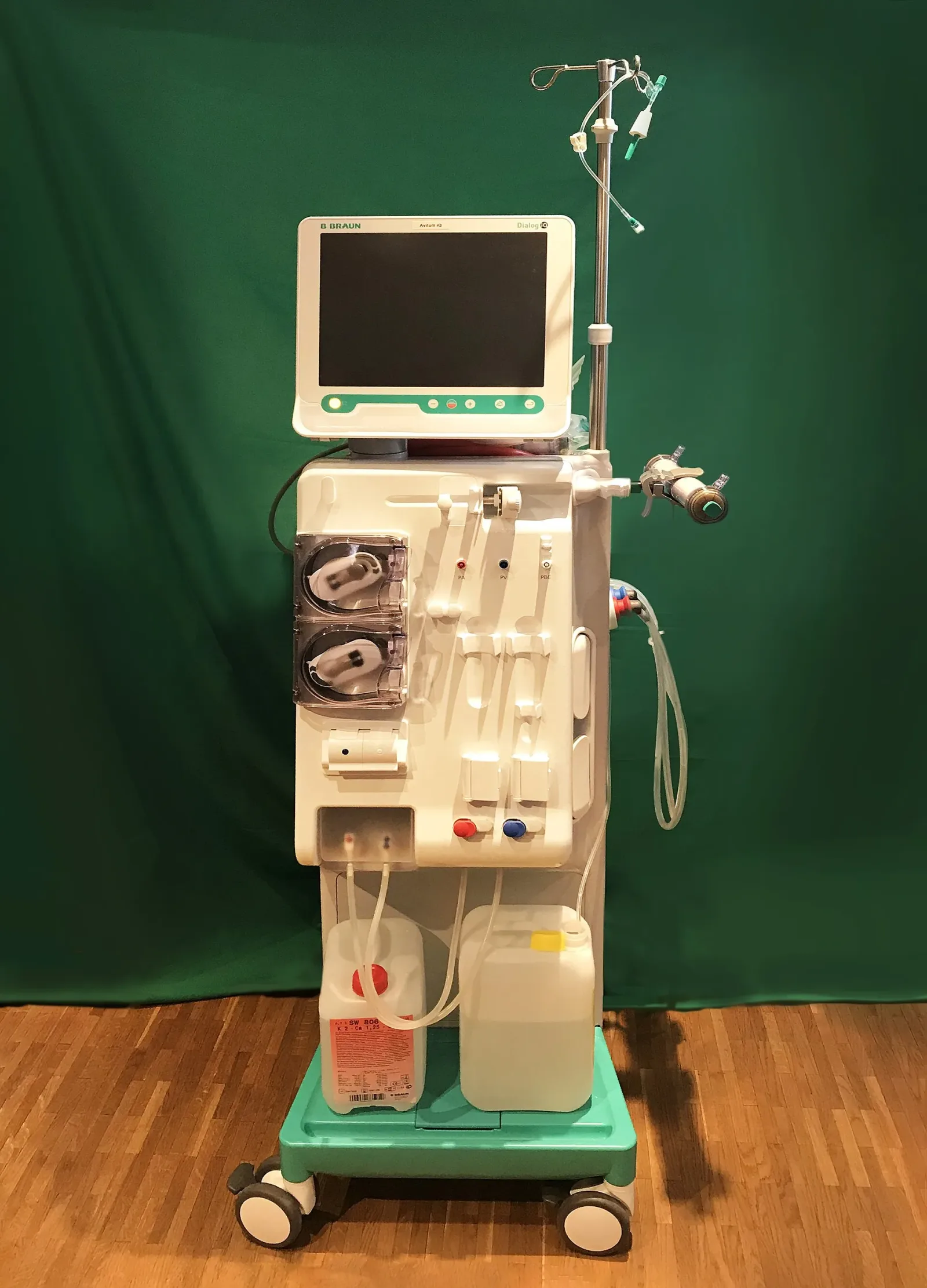
Kazakhstan’s Health Minister Akmaral Alnazarova has ordered the opening of regional nephrology centres of expertise by the end of the year, along with measures to improve dialysis care and its funding. The instructions were issued at an off-site meeting of the ministry’s board in Almaty.
Alnazarova stressed the need to improve early diagnosis of kidney disease and expand access to nephrology care at clinics and regional medical organisations. More than 40,000 people with chronic kidney disease are currently under medical supervision in Kazakhstan. One in three patients whose disease is diagnosed for the first time seeks help only at the terminal stage, when renal replacement therapy is required.
According to the Ministry of Health, additional laboratory tests helped increase the number of identified chronic kidney disease cases from 26,000 in 2025 to more than 40,000 in the first nine months of 2026. Nephrology centres of expertise are operating in nine regions. The minister ordered the remaining centres to open by the end of 2026.
The meeting also addressed monitoring the quality of haemodialysis care and the accuracy of medical records. A review of data on 6,400 patients found cases where the date of the last haemodialysis session matched the date of the patient’s death, as well as records requiring clarification of the timeline of care. The minister instructed the relevant committee to cross-check the information and ensure accurate electronic records of medical services.
The ministry also plans a comprehensive assessment of dialysis centres, regardless of ownership, focusing on quality, safety and continuity of treatment. It intends to improve haemodialysis funding arrangements in line with the quality of care and clinical outcomes.
Developing kidney transplantation, particularly for children, is another priority. More than 4,200 Kazakhstanis are on the waiting list. The minister ordered a review of the criteria for referring children abroad for transplantation and the preparation of the necessary financial estimates. Other plans include expanding early diagnosis, strengthening the nephrology workforce and improving follow-up care after transplantation.