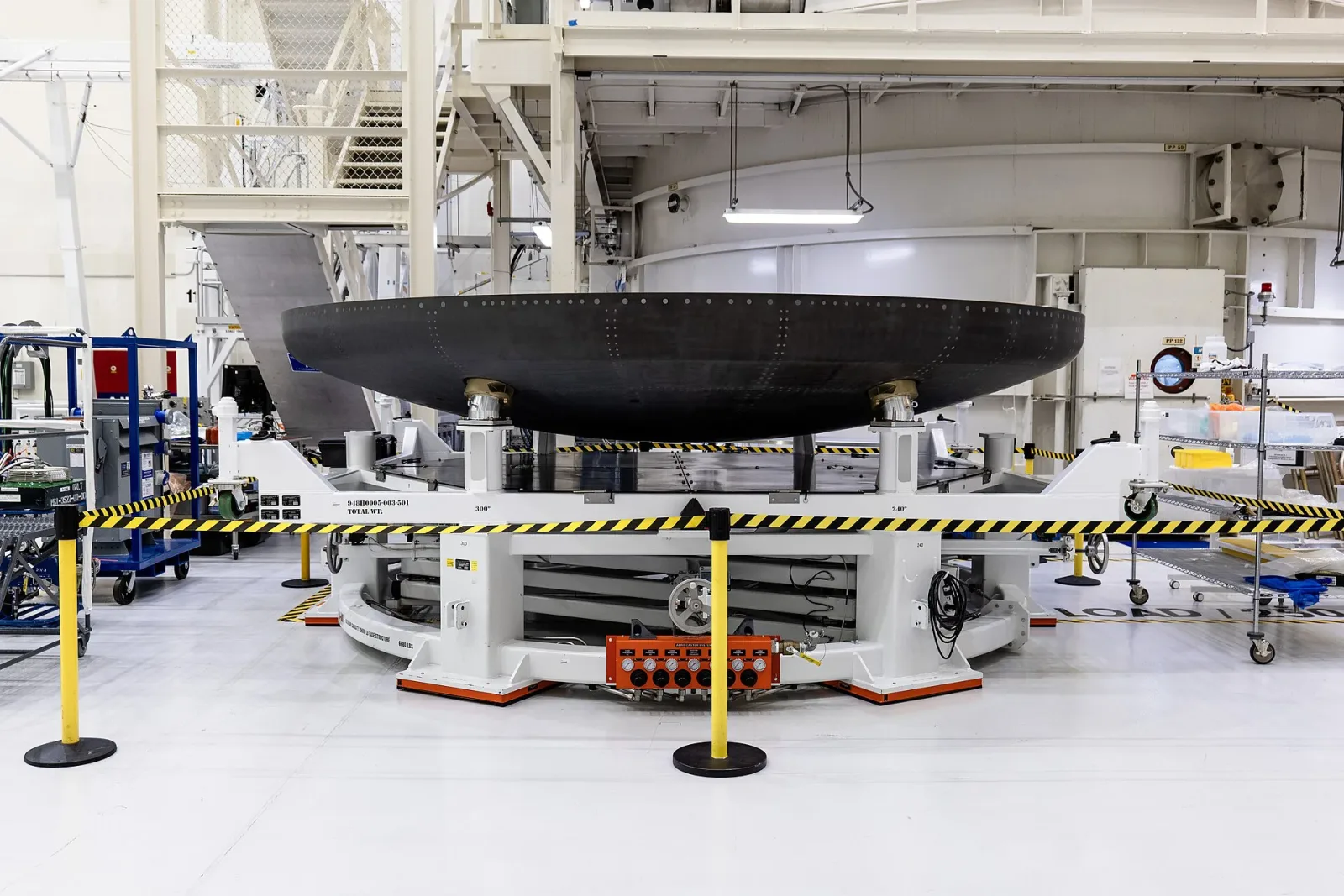
NASA’s Artemis II mission carried four astronauts around the Moon and returned them safely to Earth. Additional engineering analysis confirmed that the Orion spacecraft’s heat shield performed as expected.
During atmospheric reentry, Orion reached 39 times the speed of sound, while external temperatures exceeded 4,000 degrees Fahrenheit. The cabin stayed in the mid-70s Fahrenheit.
After investigating the Artemis I heat shield, NASA changed Orion’s reentry trajectory for Artemis II, shortening the maximum distance between atmospheric entry and splashdown in the Pacific Ocean. Pre-mission analysis indicated that the change would reduce the time the shield spent in the temperature range associated with the Artemis I phenomenon.
Orion entered the atmosphere within 192 feet of its targeted entry point and splashed down 0.59 miles from the predicted landing site off the coast of San Diego. Initial inspections found that the heat shield performed as expected. Engineers identified nine areas of char loss of varying sizes on the Artemis II shield, compared with 103 during Artemis I.
After Orion returned to NASA’s Kennedy Space Center in Florida, specialists began further examination of the shield, which is made of 186 individual blocks of the ablative material Avcoat. Sample extraction and internal X-ray scans began in August at NASA’s Marshall Space Flight Center in Alabama.
The post-flight assessment found that Orion’s aerodynamic and thermal performance, including the heat shield and backshell protection, matched engineering predictions and ground-test results. NASA made design upgrades for Artemis III to improve the uniformity and consistent permeability of the Avcoat blocks.