Rostec equips St. Petersburg airfield with new flight control systems
Rostec subsidiary Azimut has completed a turnkey installation of air traffic control, navigation and communications systems at Levashovo airfield.
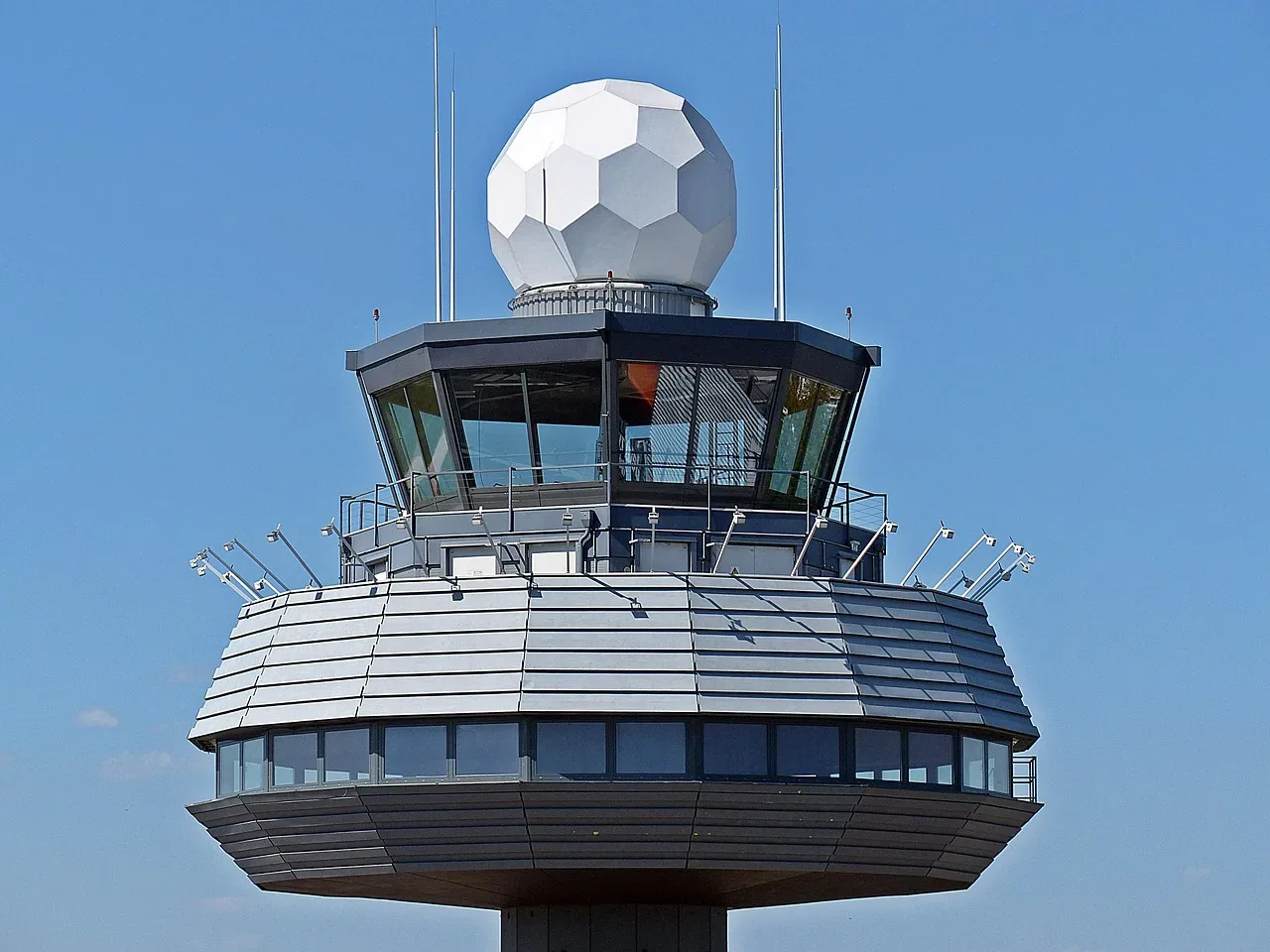
Azimut, part of Rostec, has equipped Levashovo airfield in St. Petersburg with air traffic control, navigation and communications systems. The Galaktika complex monitors air traffic and warns controllers of potentially dangerous situations.
Azimut, a company within the Rostec state corporation, has completed a turnkey installation of air traffic control, navigation and communications systems at Levashovo airfield in St. Petersburg. The equipment is intended to reduce air traffic controllers’ workload, improve landing approach accuracy and ensure uninterrupted communication with aircraft crews.
The complex combines several systems that support aircraft at different stages of flight. Some track an aircraft’s position and help controllers monitor air traffic; others send pilots information for landing approaches, while additional systems provide radio communication between the ground and the crew. The equipment has backups, so a local failure does not disrupt the system as a whole.
Alexey Galchenkov, Azimut’s deputy general director, said the dual-use Levashovo airfield would be able to handle flights in any weather. He added that the company’s equipment is also in use at Moscow’s Vnukovo, Domodedovo and Sheremetyevo airports, as well as at Pulkovo Airport in St. Petersburg.
Advertisement
The Galaktika air traffic control automation system monitors the air situation and warns controllers of potentially dangerous scenarios. A controller training simulator is used to prepare and train specialists, while the VCS 2700 and CDR 2700 systems provide reliable communication between controllers, aircraft crews and cooperating services.
The ILS 2700 system sends aircraft information on distance from the runway and deviations from the course and glide path during landing approaches. Radio beacons measure an aircraft’s range and course angle and help maintain voice communications. The DF 2000 radio direction finder determines an aircraft’s azimuth, while TRS 2000 provides fixed radio channels between controllers and crews.
Azimut develops and manufactures air navigation systems and equipment for airfields and air routes. It supplies civil aviation companies with communications, navigation, landing, surveillance and air traffic control automation systems, and carries out projects to equip and upgrade airfields and air traffic control centres.