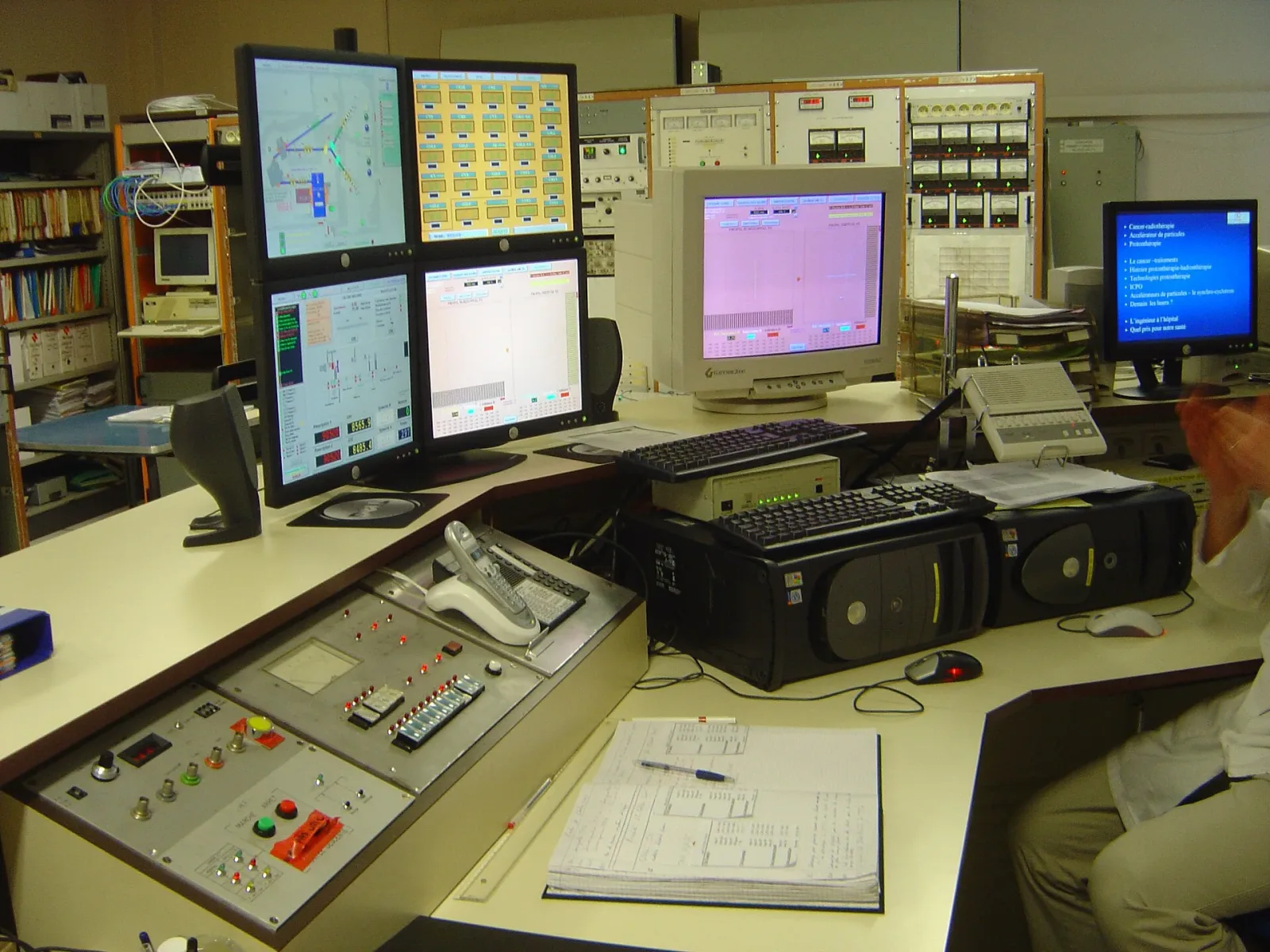
Spain’s Interterritorial Council of the National Health System has approved criteria for access to proton therapy. The agreement aims to ensure equitable access regardless of whether a patient’s autonomous community has proton therapy equipment.
A clinical tool will assign each patient up to 100 points based on nine parameters to set treatment priority. Factors include age, tumour location, treatment indication, metastases, the need to re-irradiate the same area and cases requiring priority care. The assessment will also consider radiosensitivity, fertility preservation and reducing radiation exposure to a fetus.
Patients with higher scores will receive higher priority, but the tool will not restrict access: everyone whose clinical indication is accepted will be eligible for treatment. Referrals will be organised in line with the gradual rollout of equipment.
The first phase предусматривает two machines in Santiago de Compostela and Fuenlabrada in the first quarter of 2027. In the first quarter of 2028, units in Donostia and at La Fe University Hospital in Valencia are due to join, bringing the total to four.
During the initial phases, patient distribution will aim to balance workloads and prevent centres from becoming overstretched. Planning uses the population under 27 as a reference group, which will receive priority if capacity is saturated. This does not exclude patients of other ages from treatment. Referrals to private centres with proton therapy units may be needed during this period.
The third phase is expected to bring all 11 machines into operation between the fourth quarter of 2028 and the first quarter of 2029. Distribution will then be based on the general population and geographic accessibility. Patients may be assigned to a different centre for justified clinical or logistical reasons, and the model will be reviewed regularly using actual demand data.
A Single Proton Therapy Registry will coordinate care from the initial application through post-treatment follow-up. All patients treated at National Health System proton therapy centres must be registered. After treatment, the originating department will add information about each patient’s progress, alongside questionnaires on patient-reported outcomes, to help assess treatment effectiveness.