On November 4, the Stroke Centre at Bach Mai Hospital admitted a 39-year-old man with impaired consciousness and complete paralysis on his right side. More than 12 hours had passed since his first symptoms, well beyond the usual 4.5-hour window for thrombolysis.
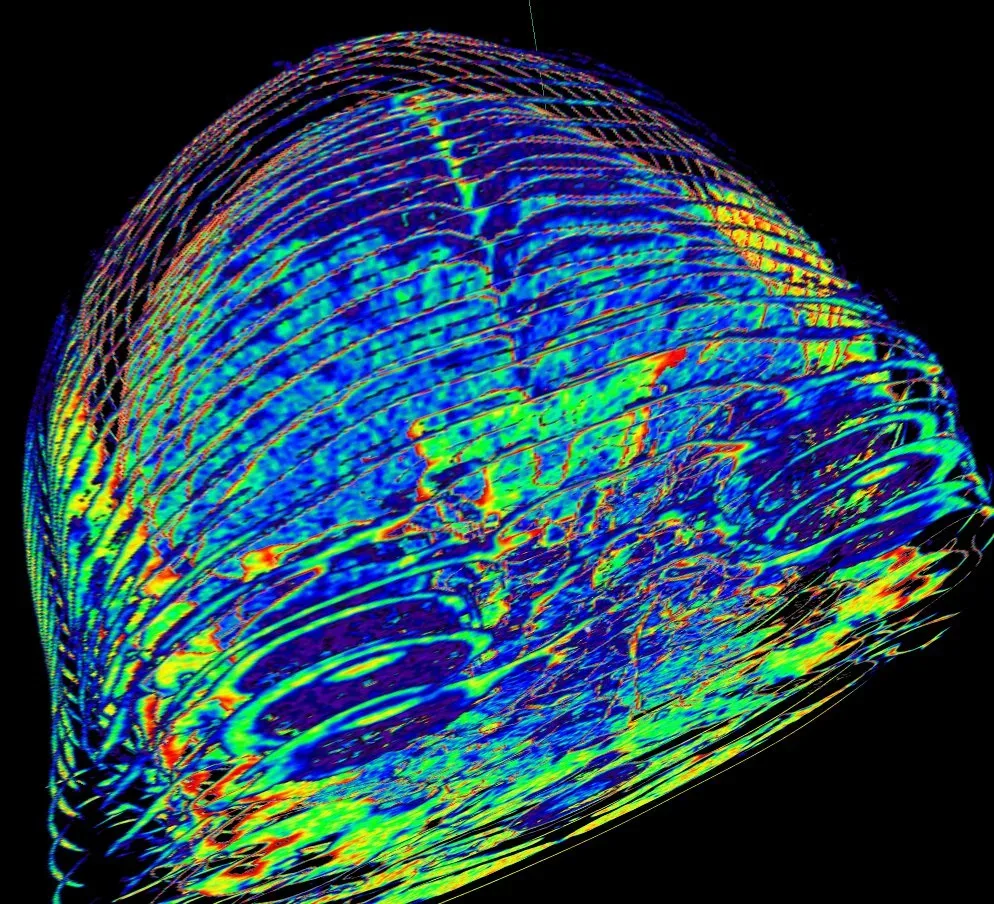
A CT scan showed no blockage in a large blood vessel, so mechanical thrombectomy was not indicated. Doctors then used CT perfusion imaging to assess whether blood flow to the brain could be restored.
The scan showed an infarct core of about 30 ml and a low-perfusion area of 145 ml. The findings indicated that some of the affected brain tissue might still be salvageable.
After an emergency consultation lasting three minutes, the team decided to give tenecteplase, a newer-generation thrombolytic, using an extended treatment window based on perfusion imaging. The patient’s family agreed after doctors explained the potential benefits and risks.
An MRI on November 5 showed that the infarct was concentrated in the previously identified core of about 30 ml. The 145 ml low-perfusion area seen on the initial scan had not turned into a corresponding area of infarction.
After treatment, the man was able to raise the arm that had been completely paralysed. Doctors described this as an initial sign of improved movement.
Stroke Centre specialists cautioned that the approach is not suitable for every patient who arrives late. Thrombolysis in an extended window requires advanced imaging and careful assessment by specialists. They advised taking anyone with suspected stroke symptoms, including facial drooping, weakness or paralysis in the limbs, or difficulty speaking, to a hospital equipped to treat stroke as soon as possible.